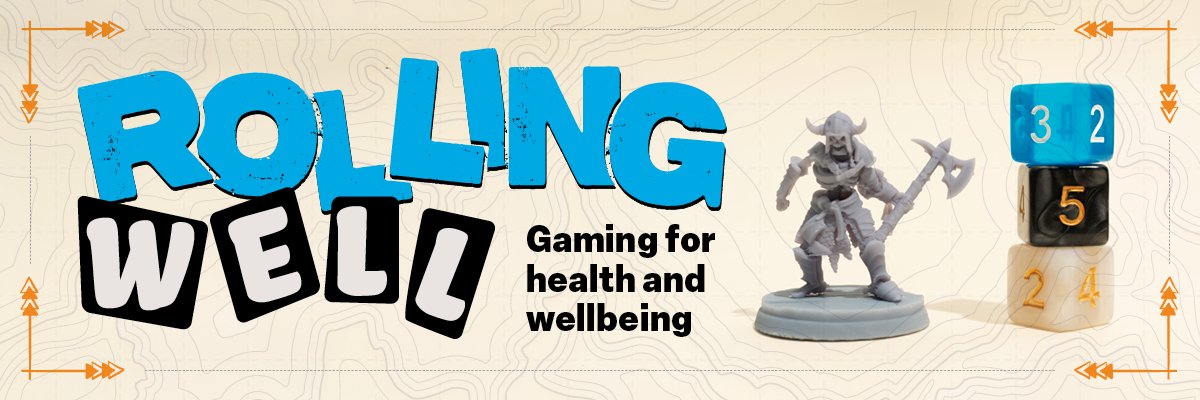
Gaming for Health
and Wellbeing
A two-day conference bringing together practitioners, researchers, clinicians and community organisers to explore how tabletop role-playing games can support wellbeing, creativity and social connection.
Rolling Well Conference
2026
Hosted by the University of Plymouth, Manchester Metropolitan University and The Amelia Scott Centre, and funded by Game in Lab, Rolling Well is a two-day conference bringing together practitioners, researchers, clinicians and community organisers to explore how tabletop role-playing games can support wellbeing, creativity and social connection.
While the primary function of tabletop roleplaying games [TTRPGs] is to provide entertainment and engagement, there is growing interest amongst members of the educational and therapeutic communities to expand its offerings to those who may benefit cognitively and emotionally from roleplay.
Despite this growing interest in using TTRPGs for educational and therapeutic purposes, there is limited information about how they can be used in such settings. Sardon and Devlin-Scherer (2016), for instance, discuss the ways in which game-based curriculums could be beneficial in educational settings while also noting how there may be resistance from educators who may not see them as pertinent or worth the extra time and cost for implementation. Similarly, a scoping review on TTRPGs for therapeutic purposes (Yuliawati et al., 2024) showed that while there were numerous qualitative studies on the mental health benefits of TTRPGs, there was a distinct lack of controlled studies detailing its effects. In line with this, Ben-Ezra et al., (2018) found that while many mental health practitioners were interested in incorporating TTRPGs into their formal practice, they did not feel confident in their ability to learn ways to do this effectively. As such, while TTRPGs show great promise for improving outcomes for students and those in therapy, there is a gap in how to collate and disseminate best practice in tangible, easily adoptable ways.
At Rolling Well we aim to tackle these questions and begin to close evidence gaps. Therefore, we welcome proposals from academics, practitioners and game designers that address (but are not limited to) the following themes:
- RPGs and social connection
- RPG design for wellbeing.
- Therapeutic applications of roleplaying games, including their use in mental health, social work, or community practice.
- Wellbeing in RPG communities.
- RPGs in educational settings
- RPGs and neurodivergence
- RPGs and identity exploration
Research Talks
Presentations from academics exploring the evidence base for TTRPGs in therapeutic, educational and community settings.
Case Studies
Practitioners sharing real-world applications — from NHS settings to neurodiversity support programmes.
Hands-on Workshops
Active sessions designing, playing and reflecting on TTRPG experiences for wellbeing-focused contexts.
Networking
Structured opportunities to build partnerships across the UK TTRPG academic and social care communities.
Delphi Study
Contribute to a peer-reviewed publication and open-access toolkit on best practices in TTRPG wellbeing work.
UKRI Groundwork
Help lay the foundation for a large-scale funding application to advance structured research in this field.
Partner Organisations



This workshop has been made possible by the generous support of Game in Lab, an international research initiative dedicated to advancing rigorous, multidisciplinary study of games and play.
Secure your place
Those wishing to attend are invited to email event@rollingwell.org.uk, outlining their current work or areas of interest within this field.
Contact us nowProgramme
2026.
Click any speaker name to read their bio, or expand the abstract to learn more about each session.
The complete schedule for the event is now available and can be downloaded below.
Download ScheduleWhy do people play TTRPGs, and are there benefits to gaming? Insights from the Autism Spectrum Quotient and a measure of perspective taking in experienced gamers.
Dept. of Psychology & Neuroscience, City St. George's, University of London
Roll for initiative: A TTRPG intervention for mental health of ND people
The Amelia Scott Centre
Finding a Voice: Using TTRPGs to Support Communication and Engagement in Neurodivergent Young People
Drumbeat Autism Outreach (Lewisham's Autism Outreach Service)
Historical Worlds, Written Rules: Using Historical RPGs to Explore Society and Social Etiquette with Autistic Young People
The Autism Group, Bracknell Forest Council
Young Dragons - using TTRPG to improve children's behaviour in the classroom and improve attendance
Executive Director Children's Services, Westminster City Council and Royal Borough Kensington & Chelsea
Imperial College London
Imperial College London
Imperial College London
Royal Borough of Kensington & Chelsea
Director of Operations, Mythic Minds
Clinical Director, Mythic Minds
Imperial College London
Imperial College London
Dragons of Afterlands: Co-producing an augmented reality board game to develop socioemotional skills of adolescents in education and healthcare settings
Play Well For Life / University of Bristol
Integrating Therapy into Tabletop Role play: The Impact of Research on Innovation and therapeutic intervention
Role Resolve
Rolling for Connection: Using Tabletop Roleplaying Games to Improve Social health in children and young people.
Roll the Dice Cornwall C.I.C.
Healing Trauma wounds with a long rest - Using TTRPs to treat trauma
Accredited child and adolescent EMDR (Eye Movement Desensitisation and Reprocessing) Therapy, Founder of Next Chapter Therapy
A Conceptual Model for the Intentional Design of Therapeutic Role-Playing Games: Insights from a Qualitative Metasynthesis
Trainee Counselling Psychologist, The University of Manchester
A Positive Modifier for Life: How Bad Dogs, Little Brothers and Cool Confident Liam can make a big difference
Primary Care & Mental; Health, University of Liverpool
Entrepreneur and Local Independent Games Café founder
Jenny Allen, Trainee Clinical Psychologist at Lancaster University, Dr Miriam Sturdee, Senior Lecturer at the University of St. Andrews
Lost in the Autumn Realm - Lessons learned from a community of emotional roleplay
Jollyboat
Taking Play Seriously: The Value of Session 0 to Psychological Safety in D&D
Institute for Mental Health, School of Psychology, University of Birmingham
Institute for Mental Health, School of Psychology, University of Birmingham
How can play support health and wellbeing?
Arts Council England
Magic Circles and the Power of Bleed: Harnessing TTRPGs to Facilitate Traditional Therapeutic Processes
Neuroplay lab; University of Plymouth
Building Community through Play: Organising Inclusive TTRPG Events
Dragonmeet; UK Games Expo; AireCon; Worldcon; Eastercon; Fantasycon
Dragonmeet; Consequences Larp Convention; Bristol Freeform Gamers
Here for Games (Herefordshire Board Gamers)
AireCon
Play as Prevention: Integrating Games-Based Approaches into Wellbeing Services
Neuroplay lab; University of Plymouth
The Amelia Scott, Tunbridge Wells
Hands on with Social Deduction Games (BotCT) as Therapeutic and Pedagogical Tools.
BlueStem
BlueStem
Who Are You Playing? Zine-Making and the Creative Life of RPG Characters
The Game Centre, Manchester Metropolitan University
The Game Centre, Manchester Metropolitan University
Using Games in Neurodiversity Research
Neuroplay lab; University of Plymouth
Bash Orks, Find Treasure.
Deputy Manager, Shore House, BHT Sussex
Support Worker, Shore House, BHT Sussex
Loosening up: Using lessons from improv for better role playing
Business School, Ono Academic College
Speech and Sorcery: Exploring vocal gender identity through role-play
Lead Speech and Language Therapist, West of England Specialist Gender Identity Clinic, Devon Partnership NHS Trust
Lead Speech and Language Therapist, Sussex Gender Service, Sussex Partnership NHS Foundation Trust
Advanced Specialist Speech and Language Therapist, West of England Specialist Gender Identity Clinic, Devon Partnership NHS Trust
Sussex Gender Service, Sussex Partnership NHS Foundation Trust
University of East Anglia
Young Dragons Workshop
Director of Operations, Mythic Minds
The team behind
Rolling Well.
Academic Organisers
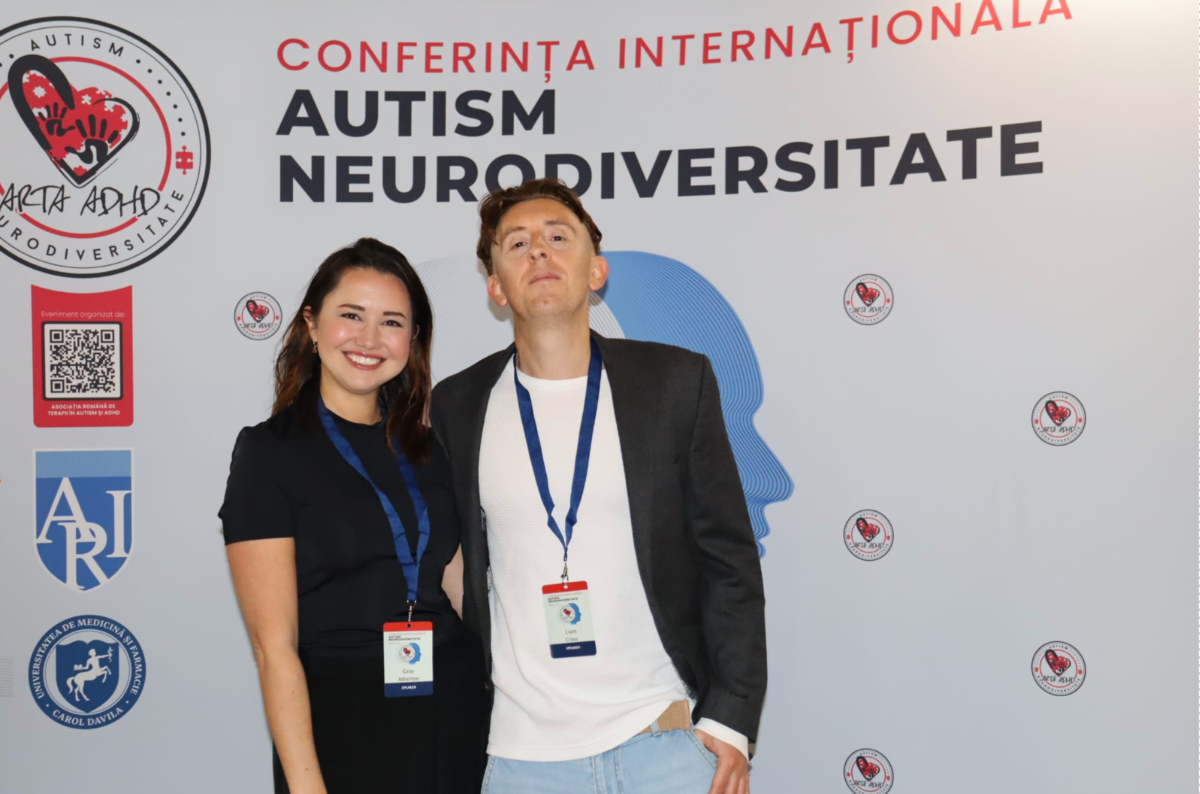
Dr Gray Atherton & Dr Liam Cross
Assistant Professors in Psychology
University of Plymouth, UK
Their research explores how games, play, and embodied interaction can be used to understand social cognition, especially among neurodivergent individuals. Their work in this area explores the intersection between games and neurodiversity, particularly autism, and how games can be used to bolster skills and social interaction in this population, as well as ways to gamify therapeutic and educational processes. They also do research on player dynamics and profiles in hobbyist board gamers and have published work in this area in the journals Autism, The Journal of Autism and Developmental Disorders, The American Journal of Play, and Simulation and Gaming. They have been commissioned to produce reviews of gamification for autism interventions for the French Institute for Applied Disability Research, and co-designed an accessible version of the popular game Dixit for Asmodee's Access Plus line of disability-friendly games. They have given talks and keynotes on these topics at Essen Spiel, Canada Plays, UK Games Expo, Airecon and the NHS.
To learn more about their work:
Visit neuroplaylab.com →
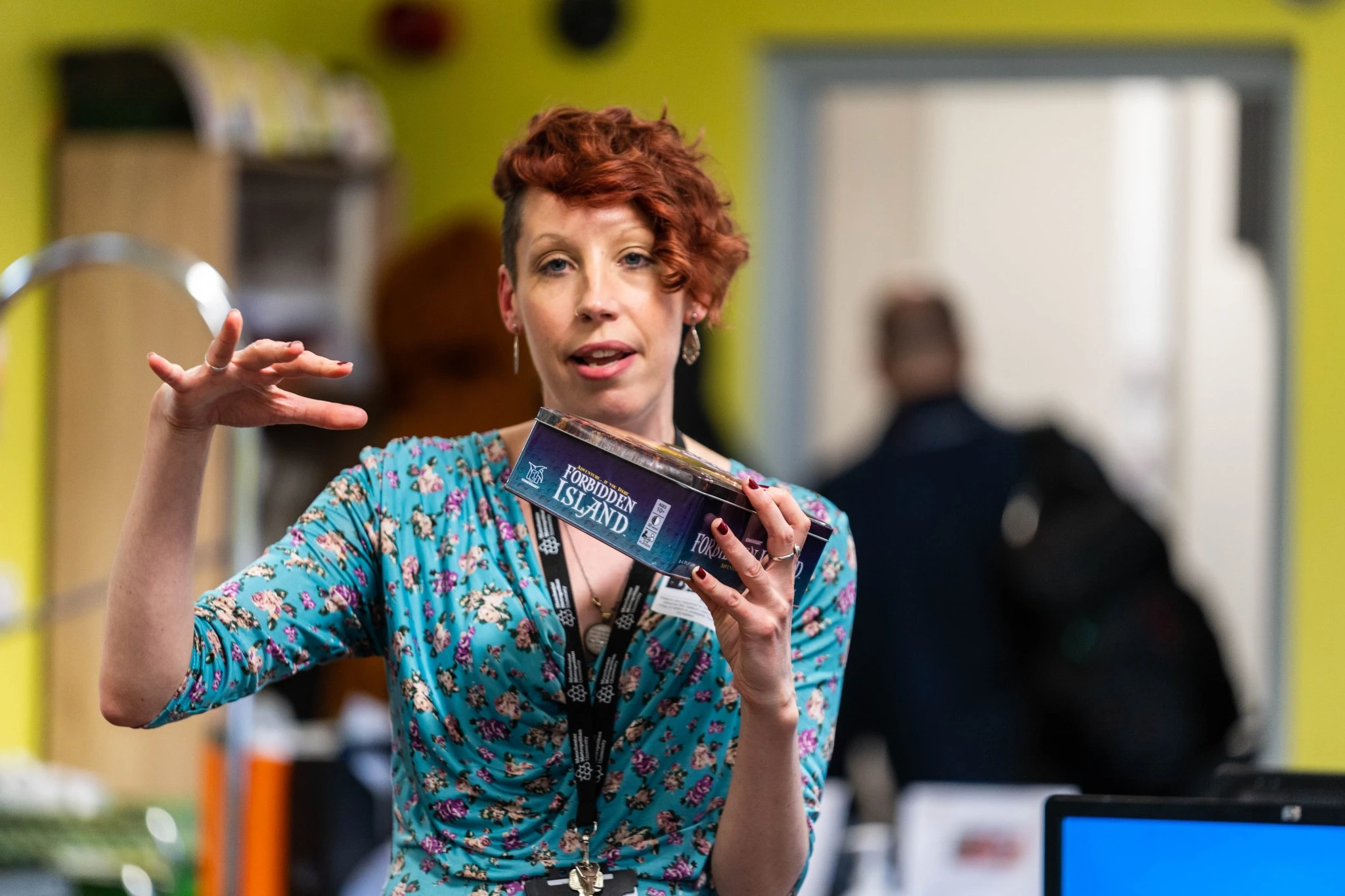
Dr Chloé Germaine
Reader, Department of English
Manchester Metropolitan University, UK
Dr Chloé Germaine is a game designer, RPG writer, and academic based at Manchester Metropolitan University. Her RPG credits include co-authoring The Cthulhu Hack: Mother's Love (Just Crunch Games) and contributing to The Between: Season 3. She is currently developing Rooted in Crisis, an eco-horror tabletop anthology built on the Trophy system, created with climate scientists and activists as a space for processing environmental grief and imagining collective futures.
Her academic work spans Game Studies, Gothic fiction, and the Environmental Humanities, and she co-authored Material Game Studies: A Philosophy of Analogue Play (Bloomsbury, 2022). She co-directs the Manchester Game Centre and co-leads STRATEGIES, a Horizon Europe-funded project on sustainable transition in Europe's game industries.

Professor Paul Wake
Professor of Game Studies
Manchester Metropolitan University, UK
Paul Wake is Professor of Game Studies at Manchester Metropolitan University and a co-director of the Manchester Game Centre. His research interests include game-making as a research method, games and communication, and game theory in the reading of literary texts. He has published articles on literary representations of casino games, 80s Adventure Gamebooks, and game design for communication. Paul also designs, uses, and plays games to start conversations about important societal topics. His recent work in this area has included Carbon City Zero: World Edition, a collaborative card game about the race to decarbonise the world's cities, created with the climate action charity Possible and a global warming scenario for Klaus Teuber's popular Catan®. His current game design project is Death Occurs Abroad, an archive building game set during the Second World War.

Megan Wainwright-Kendall
Trainee in Doctorate of Clinical Psychology
University of Plymouth, UK
Megan Wainwright-Kendall is a Trainee Clinical Psychologist at the University of Plymouth. Led by her own passion for games and background of working in mental health services, her doctorate research project aims to identify best practice guidelines for using tabletop role-playing games in health, education and social care settings. She hopes that this will widen the scope for people to utilise games to improve wellbeing.
Prior to the doctorate she worked as a cognitive-behavioural psychotherapist, with a specific interest in creating inclusive therapy spaces, working in forensic and community settings. As part of this, she has contributed to the development of good practice guidelines for delivering neuro-affirming therapy in a local NHS talking therapies service. She continues to work towards promoting creative inclusive practices in health, education and social care settings.
Venue & Programme Team

Daniel Huckfield
Creative Health Projects Officer
The Amelia Scott, Tunbridge Wells
Daniel has developed a successful, creative, and engaging program over the last three and a half years, exploring the power of museum objects, creative writing, exhibition writing, and Dungeons & Dragons for wellbeing and mental health.
With over seven years of experience in developing and facilitating wellbeing and creative health interventions, Daniel has lived experience of mental health struggles and brings this experience to his facilitation work.
Daniel has developed his practice in areas including interventions for those at risk of social isolation and neurodivergent individuals. He is focused on exploring how creative health and wellbeing can be taken beyond more traditional arts and crafts based interventions.
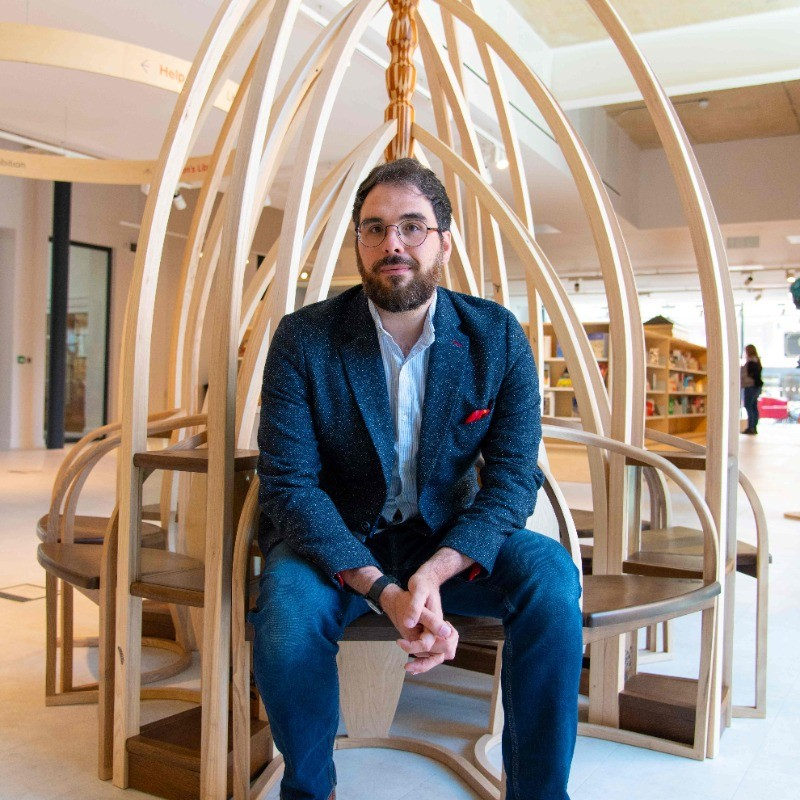
Jeremy Kimmel
Arts, Heritage & Engagement Director
The Amelia Scott, Tunbridge Wells
Disruptive collaborator, with a passion for improving places and strengthening communities. My work sits at the crossroads of culture, health, engagement and strategy — helping councils deliver services that are meaningful, outcome focused, efficient and genuinely valued by residents. At The Amelia Scott, I lead a complex, multi-service operation, combining strategic thinking with practical delivery: building partnerships, securing funding, using data to guide decisions, and shaping programmes that support wellbeing, learning and a stronger sense of place. What I bring is a systems view. I connect agendas that often operate in isolation — public health, youth services, community engagement, culture — and identify opportunities for them to work together for better outcomes.
Currently part of the Solace Springboard programme, I'm focused on the wider role that civic institutions can play in prevention, belonging and the future of local government. I'm driven by collaboration, clarity, and helping teams and places thrive.
The Amelia Scott
Enriching Lives, Inspiring Learning
The Amelia Scott is a unique centre that brings people and culture together. It is a place for meeting, getting help, learning, and socialising, with a museum, art gallery, libraries, study spaces, cafe, and council services all under one roof.
The Amelia Scott
Royal Tunbridge Wells
Royal Tunbridge Wells
Kent, TN1 1AW
About The Amelia Scott

The Amelia Scott is a unique centre that brings people and culture together. It is a place for meeting, getting help, learning, and socialising, with a museum, art gallery, libraries, study spaces, cafe, and council services all under one roof.
Getting there
Once you’ve arrived at the centre of Royal Tunbridge Wells, The Amelia Scott is fully accessible from all entrances, and the Welcome Hall is most easily accessed from the main entrance on Civic Way.
There are cycle racks located near the building.
It is a 7-minute, lightly uphill walk from Tunbridge Wells station to The Amelia Scott. Alternatively, it is 1 stop on a variety of buses. You can book directly with Southeastern to pay no booking fees.
Most of the bus services for Royal Tunbridge Wells town centre stop right outside The Amelia Scott at the Tunbridge Wells War Memorial or by Royal Victoria Place shopping centre.
Parking is available at Crescent Road, Royal Victoria Place and Meadow Road multi-storey car parks.
We'd love to hear
from you.
If you have questions about Rolling Well, ticketing, abstract submissions, partnerships, accessibility, or anything else related to the event, please get in touch.
Join a network of passionate individuals dedicated to using tabletop games for positive change.
Your questions and insights can shape the future of our community initiatives.
We aim to respond to all enquiries as promptly as possible. Whether you’re a publisher, academic, clinician, educator or simply interested in games for social good, we welcome your message.